
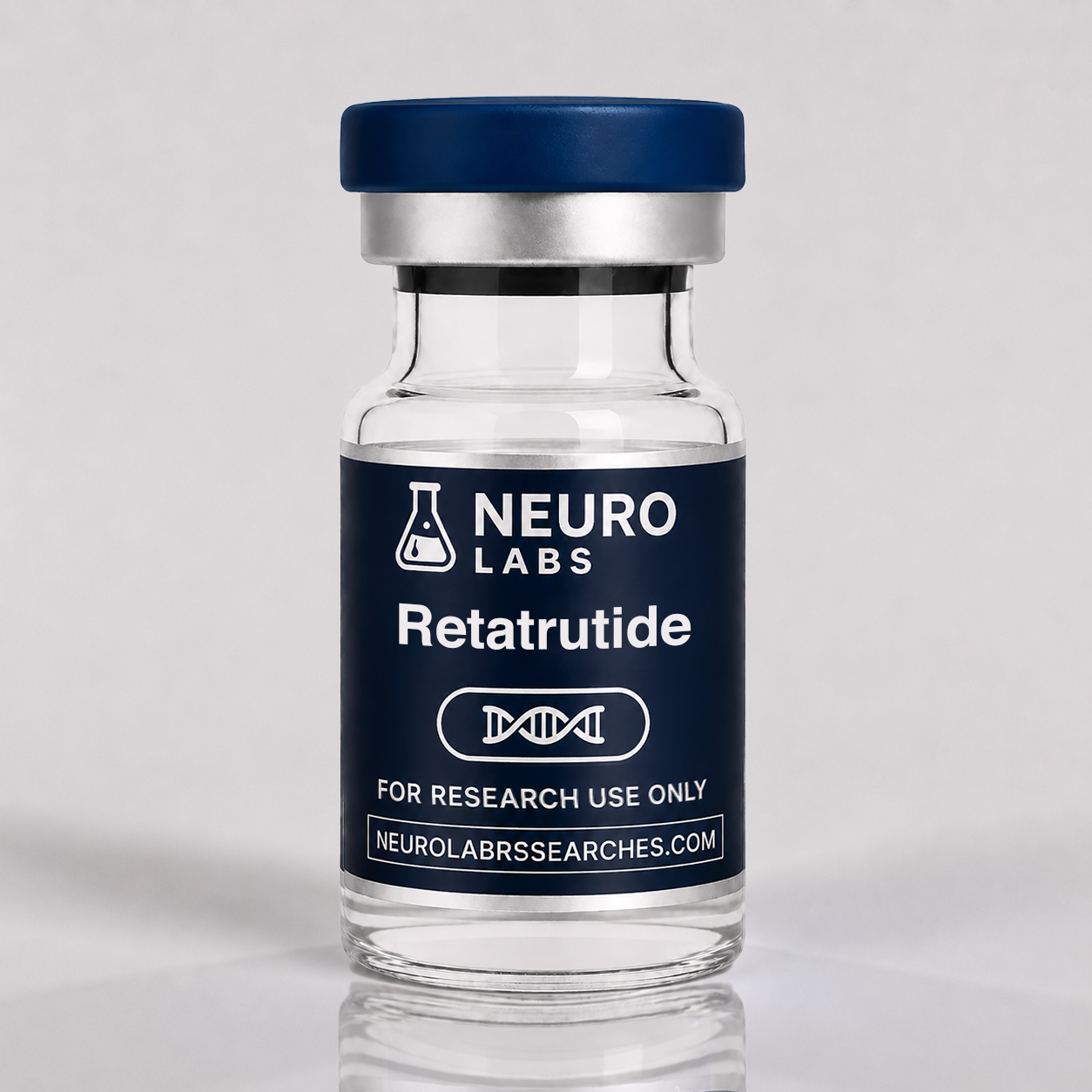

Retatrutide dosage 1
Price range: $74.00 through $399.00
Retatrutide dosage is an investigational triple‑agonist peptide developed by Eli Lilly that simultaneously activates GLP‑1, GIP, and glucagon receptors. This next‑generation therapy is being studied as a once‑weekly injectable treatment for obesity, type 2 diabetes, and metabolic disorders, with clinical trial results showing record‑breaking weight loss outcomes.
Description
Retatrutide dosage
Retatrutide dosage is an investigational triple‑agonist peptide developed by Eli Lilly that simultaneously activates GLP‑1, GIP, and glucagon receptors. This next‑generation therapy is being studied as a once‑weekly injectable treatment for obesity, type 2 diabetes, and metabolic disorders, with clinical trial results showing record‑breaking weight loss outcomes.
Unlike single‑pathway drugs such as semaglutide or dual‑agonists like tirzepatide, Retatrutide’s triple mechanism combines appetite suppression, improved glucose control, and increased energy expenditure. This synergy has produced average weight reductions of nearly 30% in Phase 3 trials, positioning Retatrutide as one of the most promising candidates in the fight against obesity.
Administered via weekly subcutaneous injection, Retatrutide follows a step‑up titration protocol (2 mg → 4 mg → 8 mg → 12 mg) to balance efficacy with tolerability. While it remains investigational and not FDA‑approved, its results suggest it could redefine standards in metabolic health, weight management, and diabetes care.
What Is Retatrutide
Retatrutide™ is an investigational triple‑agonist peptide that activates GLP‑1, GIP, and glucagon receptors simultaneously. Developed by Eli Lilly, it is being studied as a once‑weekly injectable therapy for obesity, type 2 diabetes, and metabolic disorders. Early clinical trials show unprecedented weight loss results, surpassing existing GLP‑1 therapies such as semaglutide and tirzepatide.
🔑 Key Features
- Class: Triple agonist (GLP‑1, GIP, glucagon).
- Function: Enhances satiety, improves glucose control, and increases energy expenditure.
- Applications: Obesity treatment, type 2 diabetes management, metabolic regulation.
- Administration: Once‑weekly subcutaneous injection.
- Status: Investigational, not FDA‑approved.
⚙️ Mechanism of Action
Retatrutide works by:
- GLP‑1 activation: Reduces appetite, slows gastric emptying, improves glucose control.
- GIP activation: Enhances insulin secretion and metabolic balance.
- Glucagon activation: Increases energy expenditure and fat metabolism.
This triple‑pathway synergy drives greater weight loss and metabolic improvements compared to single or dual agonists.
🌈 Clinical Benefits
- Weight loss: Up to ~29% average reduction in Phase 3 trials.
- Glucose control: Improves HbA1c and insulin sensitivity.
- Metabolic health: Supports fat metabolism and energy balance.
- Cardiovascular support: Potential reduction in cardiometabolic risk factors.
- Anti‑obesity therapy: Designed as next‑generation treatment for severe obesity.
Retatrutide Dosage Overview:
- Administration: Once‑weekly subcutaneous injection.
- Starting dose:
- 2 mg/week (Phase 2 protocol)
- 0.5 mg/week (Phase 3 TRIUMPH protocol for GI sensitivity)
- Escalation schedule:
- Weeks 1–4 → 2 mg
- Weeks 5–8 → 4 mg
- Weeks 9–12 → 8 mg
- Week 13+ → 12 mg (optional, physician‑guided)
- Maximum studied dose: 12 mg (Phase 2) and 15 mg (Phase 3).
- Half‑life: ~6 days, supporting once‑weekly dosing.
- Formulation: Supplied as lyophilized powder, reconstituted with bacteriostatic water.
⚠️ Key Considerations
- Mandatory titration: Escalation every 4 weeks is required to minimize GI side effects.
- No shortcuts: Skipping titration increases dropout rates due to intolerance.
- Injection site rotation: Abdomen, thigh, or upper arm; rotate weekly to prevent irritation.
- Missed doses: Recovery protocols exist — not simply “inject when remembered.”
📈 Clinical Trial Insights
- Phase 2 (NEJM 2023):
- 8 mg → ~22.8% mean weight loss at 48 weeks.
- 12 mg → ~24.2% mean weight loss at 48 weeks.
- Phase 3 TRIUMPH (2025):
- 12 mg → ~28.7% mean weight loss at 68 weeks.
- 8 mg considered the “sweet spot” with fewer GI side effects but nearly equivalent efficacy.
📊 Comparison Table
| Peptide | Starting Dose | Maintenance Dose | Max Studied Dose | Avg. Weight Loss |
|---|---|---|---|---|
| Retatrutide | 2 mg | 8 mg | 12–15 mg | 24–29% |
| Tirzepatide | 2.5 mg | 10–15 mg | 15 mg | 20–22% |
| Semaglutide | 0.25 mg | 2.4 mg | 2.4 mg | 15–17% |
⚠️ Risks & Precautions
- Side effects: GI symptoms (nausea, vomiting, diarrhea) during titration.
- Titration required: Step‑up dosing (2 mg → 4 mg → 8 mg → 12 mg).
- Not FDA‑approved: Available only in clinical trials.
🧪 Clinical Evidence
- Phase 2 (NEJM 2023): 24% mean weight loss at 48 weeks.
- Phase 3 TRIUMPH (2025): 28.7% mean weight loss at 68 weeks, highest recorded in obesity trials.
- Demonstrated strong improvements in glucose control, metabolic health, and cardiovascular risk factors.
❓ Frequently Asked Questions
1. What is Retatrutide?
Retatrutide is an investigational triple‑agonist peptide developed by Eli Lilly. It activates GLP‑1, GIP, and glucagon receptors to promote weight loss, glucose control, and metabolic health.
2. How does Retatrutide work?
Retatrutide combines three pathways:
- GLP‑1 activation – reduces appetite and improves glucose control.
- GIP activation – enhances insulin secretion and metabolic balance.
- Glucagon activation – increases energy expenditure and fat metabolism.
This synergy drives greater weight loss than single or dual agonists.
3. What are the benefits of Retatrutide?
- Weight loss – up to ~29% average reduction in Phase 3 trials.
- Glucose control – lowers HbA1c and improves insulin sensitivity.
- Metabolic health – supports fat metabolism and energy balance.
- Cardiovascular support – potential reduction in cardiometabolic risk factors.
4. Is Retatrutide FDA‑approved?
No. Retatrutide is not FDA‑approved. It is currently available only in clinical trials.
5. What is the Retatrutide dosage protocol?
Retatrutide is administered as a once‑weekly subcutaneous injection with a step‑up titration schedule:
- Weeks 1–4 → 2 mg
- Weeks 5–8 → 4 mg
- Weeks 9–12 → 8 mg
- Week 13+ → 12 mg (optional, physician‑guided)
6. What are the side effects of Retatrutide?
The most common side effects are gastrointestinal symptoms such as nausea, vomiting, and diarrhea, especially during dose escalation. Titration helps reduce these effects.
7. How does Retatrutide compare to other GLP‑1 therapies?
- Retatrutide – triple agonist, ~28–29% weight loss.
- Tirzepatide – dual agonist (GLP‑1 + GIP), ~20–22% weight loss.
- Semaglutide – GLP‑1 agonist, ~15–17% weight loss.
8. Who might benefit from Retatrutide?
Research suggests Retatrutide may benefit individuals with obesity, type 2 diabetes, and metabolic disorders, though it remains investigational.
Retatrutide™ is a groundbreaking investigational peptide offering triple‑pathway activation for weight loss and metabolic health. With trial results showing nearly 30% average weight reduction, it is positioned as a potential next‑generation therapy for obesity and diabetes, pending regulatory approval.
🏁 Conclusion
Retatrutide™ is a groundbreaking investigational peptide offering triple‑pathway activation for weight loss and metabolic health. With trial results showing nearly 30% average weight reduction, it is positioned as a potential next‑generation therapy for obesity and type 2 diabetes. While not yet FDA‑approved, it represents one of the most promising advances in metabolic medicine.
Related products
Ara-290®
Original price was: $89.00.$79.00Current price is: $79.00.
Cagrilintide 5mg+Semaglutide 5mg ™
$257.00
HCG ™
Price range: $74.00 through $115.00
Ipamorelin 1™
Price range: $52.00 through $100.00
Lipo-c with B12 ™
Original price was: $162.00.$110.00Current price is: $110.00.
LL37 ™
Original price was: $130.00.$110.00Current price is: $110.00.