Back to products
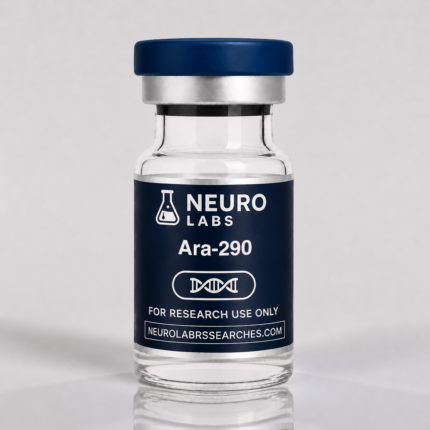
Ara-290®
Ara-290® Original price was: $89.00.Current price is: $79.00.

GHK-CU ™

Price range: $47.00 through $58.00

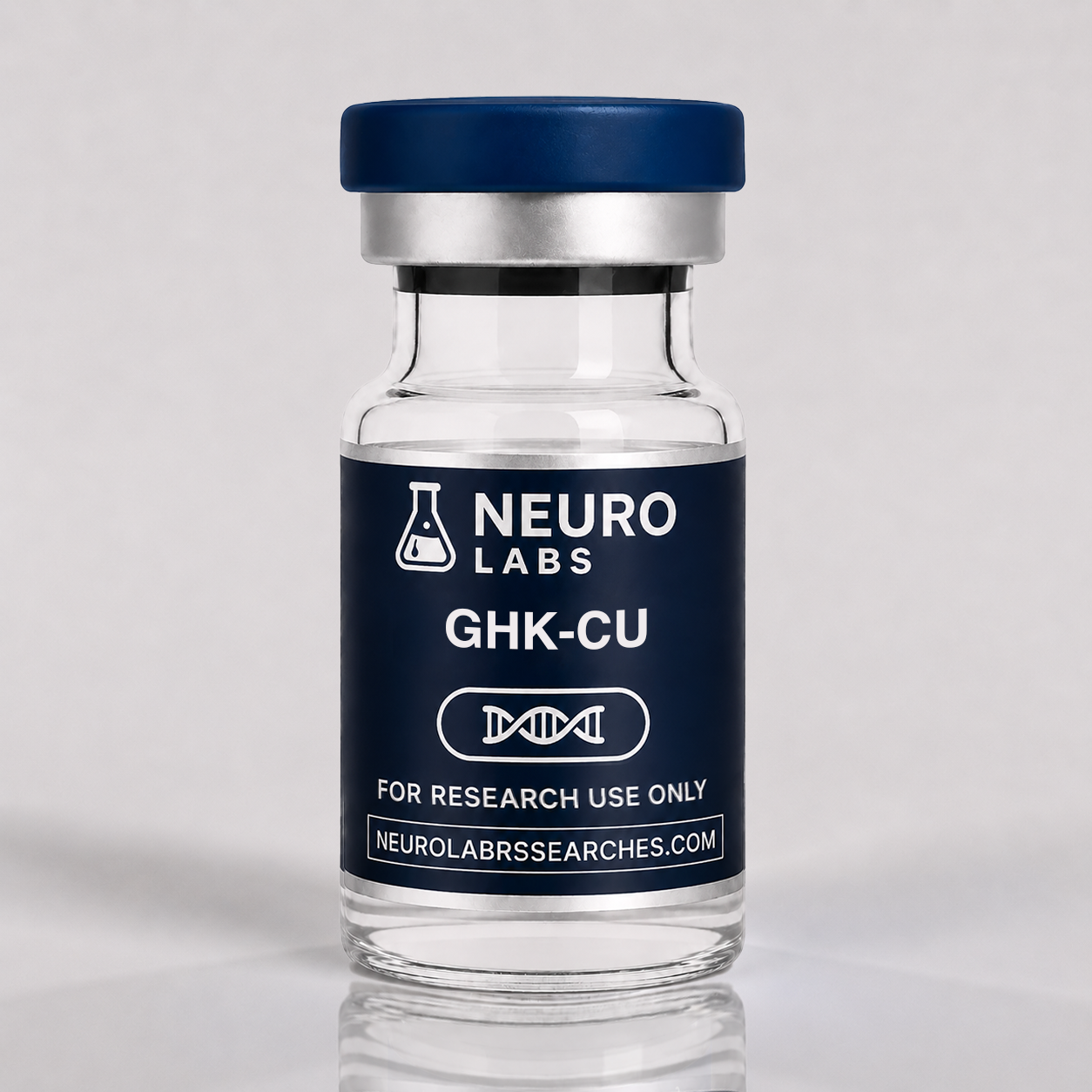
GHK-CU ™ is a naturally occurring copper peptide complex composed of the tripeptide glycyl‑histidyl‑lysine (GHK) bound to copper ions. First discovered in human plasma in the 1970s, GHK‑Cu has since become one of the most studied molecules in skin regeneration, wound healing, and hair growth research.

Buy Now
Description

Description

GHK-CU ™

GHK-CU ™ is a naturally occurring copper peptide complex composed of the tripeptide glycyl‑histidyl‑lysine (GHK) bound to copper ions. First discovered in human plasma in the 1970s, GHK‑Cu has since become one of the most studied molecules in skin regeneration, wound healing, and hair growth research.

This peptide plays a vital role in collagen synthesis, angiogenesis, and tissue remodeling, making it a cornerstone of anti‑aging skincare and regenerative medicine. Unlike synthetic compounds, GHK‑Cu is endogenous — naturally present in plasma, saliva, and urine — and its levels decline with age, which is why supplementation through topical serums, creams, or injectables has gained popularity.

Clinically, GHK‑Cu has been shown to reduce wrinkles, improve skin elasticity, stimulate hair follicles, and accelerate wound healing. Its ability to deliver copper ions directly into tissues supports enzymatic processes essential for antioxidant defense and cellular repair.

Today, GHK‑Cu is widely used in cosmetic dermatology for anti‑aging and hair regrowth, while also being investigated in regenerative medicine for broader applications such as tissue repair and organ protection. Safe in topical use, but still experimental in systemic therapies, GHK‑Cu represents a powerful bridge between cosmetic science and medical innovation.


What Is GHK‑Cu

GHK‑Cu™ is a naturally occurring copper peptide complex composed of the tripeptide glycyl‑histidyl‑lysine (GHK) bound to copper ions. Discovered in human plasma, GHK‑Cu plays a critical role in wound healing, tissue regeneration, skin repair, and hair growth. It is widely studied in both cosmetic dermatology and regenerative medicine.

GHK-CU ™ Key Benefits: 

The GHK‑Cu peptide delivers a wide range of biological and cosmetic benefits thanks to its role in collagen synthesis, tissue repair, and copper ion delivery. These effects make it one of the most versatile peptides in anti‑aging skincare and regenerative medicine.

  • Skin rejuvenation – Stimulates collagen and elastin production, reduces fine lines and wrinkles, improves firmness, and restores youthful elasticity.
  • Hair regrowth – Activates follicle stem cells, prolongs the anagen (growth) phase, reduces shedding, and supports thicker, healthier hair.
  • Wound healing – Accelerates tissue repair, enhances angiogenesis (new blood vessel growth), and improves recovery from injuries or surgical procedures.
  • Anti‑inflammatory effects – Reduces oxidative stress and inflammation markers, helping calm irritated or damaged skin.
  • Regenerative medicine potential – Studied for broader applications in tissue regeneration, organ protection, and cellular repair beyond cosmetic use.
  • Antioxidant defense – Delivers copper ions essential for antioxidant enzymes, protecting cells from free radical damage.

Why It Matters

GHK‑Cu is unique because it is both naturally occurring and clinically validated. Its ability to restore youthful skin, stimulate hair growth, and accelerate healing makes it a cornerstone of modern cosmetic dermatology. At the same time, its potential in regenerative medicine highlights its importance as a peptide that bridges the gap between beauty and health science.


Mechanism of Action

GHK‑Cu works by delivering copper ions into tissues, which are essential for enzymatic processes in collagen production, angiogenesis, and antioxidant defense.

  • Collagen synthesis: Stimulates fibroblasts to produce collagen and elastin.
  • Wound healing: Enhances angiogenesis and tissue remodeling.
  • Anti‑inflammatory: Reduces oxidative stress and inflammation.
  • Hair growth: Activates follicle stem cells, prolonging the anagen phase.
  • Skin rejuvenation: Improves elasticity, reduces fine lines, and enhances firmness.

Clinical Benefits

  • Skin repair: Reduces wrinkles, improves elasticity, and enhances firmness.
  • Hair regrowth: Stimulates follicles, prolongs growth phase, reduces shedding.
  • Wound healing: Accelerates tissue repair and angiogenesis.
  • Anti‑inflammatory: Reduces oxidative stress and inflammation markers.
  • Regenerative medicine: Studied for tissue regeneration and organ repair.

📊 Comparison Table

Property GHK‑Cu™ Thymosin Alpha‑1™ Ara‑290®
Source Endogenous peptide + copper Thymus gland Synthetic EPO‑derived peptide
Length 3 amino acids 28 amino acids 11 amino acids
Function Collagen synthesis, tissue repair Immune modulation Anti‑inflammatory, neuroprotective
Pathway Copper ion delivery TLR2/4/9 signaling IRR activation
Applications Skin, hair, wound healing Hepatitis, cancer, sepsis Neuropathy, autoimmune, diabetes
FDA Status Cosmetic use only Not approved (US) Investigational

Risks & Precautions

  • Topical safety: Generally safe, but may cause mild irritation in sensitive skin.
  • Injectable use: Experimental, requires medical supervision.
  • Copper overload: Rare, but excessive systemic use may disrupt mineral balance.

Clinical Evidence

  • Studies show improved skin elasticity and wrinkle reduction with topical GHK‑Cu.
  • Clinical trials in hair regrowth demonstrate follicle stimulation and reduced shedding.
  • Preclinical research supports wound healing and tissue regeneration.

Global Regulatory Status

  • Cosmetic use: Widely available in skincare and haircare products.
  • Medical use: Investigational in regenerative medicine and injectable therapies.
  • FDA status: Approved only for cosmetic formulations, not systemic therapies.

🏁 Conclusion

GHK‑Cu™ is a versatile copper peptide with proven benefits in skin rejuvenation, hair regrowth, and wound healing. Its ability to stimulate collagen synthesis and tissue repair makes it a cornerstone of anti‑aging and regenerative medicine research. While safe in cosmetic use, systemic applications remain experimental, requiring further validation.