
Blog
The 2026 GLP-1 Peptide Revolution: What’s Next After Semaglutide & Tirzepatide

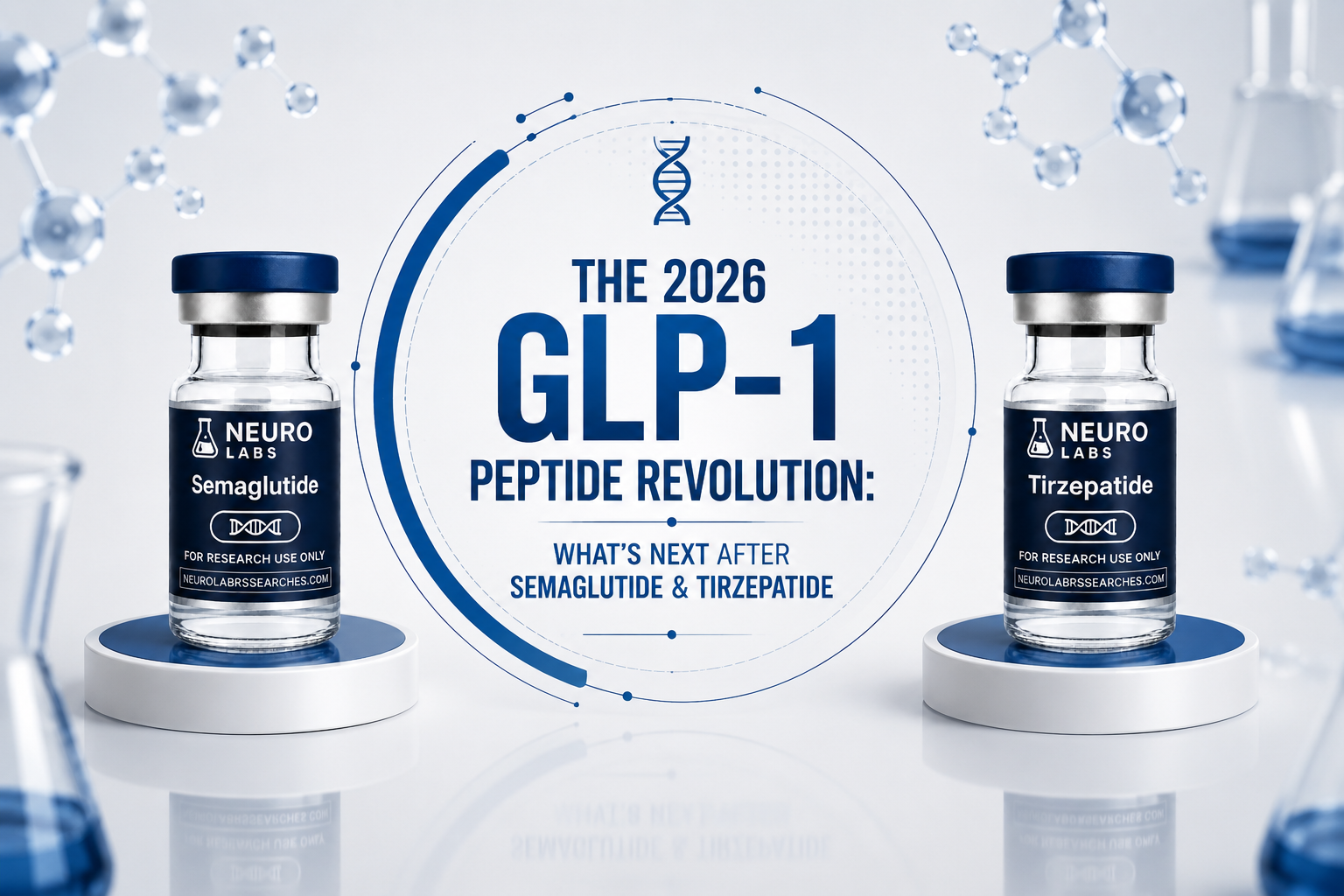
The GLP-1 Peptide Revolution in 2026
From semaglutide and tirzepatide to triple agonists like retatrutide and next-generation oral formulations, GLP-1 therapies are reshaping obesity, type 2 diabetes, and metabolic health. This guide breaks down where the category stands in 2026, what’s coming next, and what it means for patients, clinicians, and the peptide niche.
GLP-1 therapies have moved from specialist interest to a core pillar of obesity and metabolic treatment.
Innovation is shifting toward multi-target therapies designed to push weight loss and metabolic benefits even further.
Convenient non-injectable formulations may become one of the biggest adoption drivers in the category.
Cardiovascular, kidney, liver, neurological, and healthy-aging implications are expanding the GLP-1 story.
A new phase of the metabolic medicine boom
The GLP-1 peptide revolution has transformed obesity, type 2 diabetes, and metabolic health treatment. Drugs like semaglutide and tirzepatide delivered unprecedented weight-loss and cardiometabolic benefits, moving peptides from a niche research topic into the center of modern metabolic medicine.
As the second half of 2026 unfolds, the category is entering a more competitive and ambitious phase defined by stronger efficacy targets, oral formulations, broader disease applications, and increasingly sophisticated multi-target peptide strategies.
Understanding GLP-1 receptor agonists: the foundation of the revolution
GLP-1 (glucagon-like peptide-1) is a naturally occurring gut hormone involved in blood sugar regulation, appetite control, gastric emptying, and satiety. Synthetic GLP-1 receptor agonists mimic this hormone while improving stability, half-life, and therapeutic potency.
Semaglutide became a defining milestone thanks to once-weekly dosing and strong clinical weight-loss outcomes, while tirzepatide pushed the field further by combining GLP-1 and GIP activity to target complementary metabolic pathways.
Semaglutide era
Once-weekly injectable and oral pathways helped normalize GLP-1 treatment in a broader patient population while demonstrating strong weight and cardiovascular outcomes.
Tirzepatide leap
By adding GIP agonism to GLP-1 activity, tirzepatide set a new efficacy benchmark and accelerated interest in multi-agonist peptide design.
Current limitations still matter
Despite the momentum, major constraints remain: gastrointestinal side effects, injection barriers for many patients, potential lean-mass loss during rapid weight reduction, high costs, insurance friction, and ongoing supply limitations.
The next frontier: triple agonists and multi-target therapies
The shift from single to dual and now triple agonists is at the center of the 2026 GLP-1 story. The goal is no longer just to suppress appetite. The next generation is being built to improve energy expenditure, insulin sensitivity, body composition, and broader metabolic resilience at the same time.
Retatrutide
Retatrutide is the leading GLP-1/GIP/glucagon triple agonist and one of the most closely watched metabolic peptides in development. By adding glucagon receptor activation to the GLP-1/GIP framework, it aims to increase energy expenditure and fat metabolism while preserving the appetite and glycemic benefits that made earlier agents so effective.
Its early data positioned it as a potential successor to tirzepatide, making it a major focal point for the next phase of obesity and metabolic therapeutics.
Why triple agonism matters
- More pathways targeted simultaneously
- Potential for greater weight-loss efficacy
- Stronger metabolic and body-composition effects
- Expanded future indications beyond obesity alone
CagriSema
A GLP-1 plus amylin-based combination strategy that reflects the industry’s broader move toward pairing complementary metabolic signals for better efficacy and adherence.
Oral small-molecule GLP-1s
Designed to reduce injection barriers and improve convenience while competing on efficacy, tolerability, and everyday usability.
Oral GLP-1 formulations: the convenience revolution
Injection fatigue and administration complexity have been persistent barriers to broader adoption. That is why 2026 is increasingly seen as a turning point for oral GLP-1 therapies. Higher-dose oral semaglutide and candidates such as orforglipron represent a major strategic shift toward easier, more scalable patient access.
Why oral matters
- Lower psychological barrier than injections
- Potentially better adherence for some patients
- Wider primary-care and consumer acceptance
- Greater flexibility in long-term use models
Key challenge areas
- Absorption and bioavailability constraints
- Tolerability tradeoffs at higher doses
- Formulation complexity and manufacturing scale
- Comparisons against injectable efficacy benchmarks
Beyond weight loss: why GLP-1s matter far beyond the scale
The strongest long-term case for GLP-1 therapies may be their broad impact on chronic disease risk, not just weight reduction. The category increasingly sits at the intersection of obesity treatment, diabetes care, cardiology, hepatology, nephrology, and even neurology.
Cardiovascular protection
Reductions in major adverse cardiovascular events have strengthened the argument for GLP-1s as cardiometabolic risk-reduction tools, not just weight-loss agents.
Metabolic improvement
Improved glycemic control, reduced liver fat, and potential kidney benefits make the class increasingly relevant in broader metabolic disease management.
Neurological interest
Early research is exploring neuroprotective and behavioral applications, including Alzheimer’s disease and addiction-related pathways.
Healthy-aging potential
By lowering the burden of obesity, insulin resistance, and cardiovascular risk, GLP-1 therapies may support healthier aging trajectories over time.
Addressing the challenges: side effects, muscle loss, and sustainability
No category expands this quickly without practical tradeoffs. Nausea, vomiting, constipation, and diarrhea remain common reasons patients struggle with therapy, even if many cases improve with gradual titration and clinical support.
The muscle-loss question
One of the most discussed concerns in 2026 is whether rapid GLP-1-driven weight loss can come with too much lean-mass reduction. While some lean-mass loss is expected during major weight reduction, the key clinical focus is how to preserve muscle quality, physical function, and long-term metabolic resilience.
Higher-protein dietary strategies are often emphasized to support lean-mass retention during aggressive weight-loss phases.
Resistance training remains one of the most practical tools for protecting muscle and preserving functional capacity.
Weight regain after discontinuation remains a major issue, reinforcing the need for durable behavior and treatment plans.
Who should consider GLP-1 therapies in 2026?
GLP-1 therapies are generally most relevant for adults with obesity, overweight plus metabolic comorbidities, type 2 diabetes, or persistent difficulty achieving meaningful results with traditional diet and exercise strategies alone.
Obesity
Adults with BMI ≥30 remain a core treatment population for GLP-1-based obesity management.
Overweight + comorbidities
Those with BMI ≥27 plus cardiometabolic risk factors may also be candidates under appropriate medical supervision.
Type 2 diabetes
The class continues to play a major role in glycemic control and metabolic risk reduction for many patients.
These are prescription therapies and should be discussed with a qualified healthcare professional rather than approached as casual wellness products.
The future of the GLP-1 peptide revolution
Looking ahead, the GLP-1 market is likely to become more personalized, more diversified, and more deeply integrated into chronic disease prevention. Rather than one dominant therapy model, the category may evolve into a spectrum of treatment strategies matched to patient biology, goals, and tolerability profiles.
What to expect next
- Biomarker-driven and genetics-informed personalization
- More combination therapies and peptide-drug hybrids
- Expanded indications beyond obesity and diabetes
- New delivery systems with longer action and less friction
Why the peptide niche is watching closely
GLP-1s have become the clearest example of how peptide science can move from experimental interest to blockbuster clinical relevance. Their trajectory is influencing research priorities, product pipelines, and public interest across the entire peptide landscape.
Conclusion: a new era in metabolic health
The 2026 GLP-1 revolution is building on the foundation laid by semaglutide and tirzepatide while opening the door to more powerful options such as retatrutide and more convenient oral therapies. For many patients, these treatments may represent a meaningful step forward in sustainable weight management and broader metabolic health improvement.
At the same time, GLP-1s are not a magic bullet. The strongest long-term outcomes still come from pairing medication with nutrition, physical activity, body-composition awareness, and appropriate medical oversight.
Frequently asked questions about GLP-1 therapies in 2026
What makes 2026 different for GLP-1 therapies?
2026 stands out because the market is moving beyond first-generation success stories into triple agonists, oral GLP-1 formulations, and broader cardiometabolic applications.
Why is retatrutide getting so much attention?
Retatrutide is a triple agonist that adds glucagon activity to GLP-1 and GIP signaling, making it one of the most promising next-generation candidates for metabolic therapy.
Are oral GLP-1s likely to expand adoption?
Potentially yes. Oral options may reduce the barrier created by injections and improve adherence for some patients, although efficacy, tolerability, and access still matter.
Are GLP-1s only about weight loss?
No. Their importance increasingly includes cardiovascular protection, glycemic control, liver and kidney health, and potential neurological or healthy-aging implications.
What are the biggest practical downsides?
Common issues include gastrointestinal side effects, high costs, insurance hurdles, access limitations, and the need to preserve muscle during rapid weight loss.
Is this article medical advice?
No. This content is educational and should not replace guidance from a qualified healthcare professional regarding diagnosis, treatment, or medication decisions.
This article is for educational purposes only and does not constitute medical advice. GLP-1 therapies are prescription medications and should only be used under the supervision of a qualified healthcare provider. Always consult a medical professional regarding treatment decisions, side effects, contraindications, and suitability for your specific health circumstances.
The GLP-1 Peptide Revolution in 2026
From semaglutide and tirzepatide to triple agonists like retatrutide and next-generation oral formulations, GLP-1 therapies are reshaping obesity, type 2 diabetes, and metabolic health.
Key Highlights
Leading Agents
- Semaglutide
- Tirzepatide
- Retatrutide
2026 Themes
- Triple agonists
- Oral GLP-1 therapies
- Broader metabolic applications
Key Challenges
- Gastrointestinal side effects
- Cost and accessibility
- Muscle loss concerns
Clinical Focus
- Weight management
- Glycemic control
- Cardiometabolic outcomes
Quick Takeaways
Clinical Shift: From Niche to Mainstream
GLP-1 therapies have evolved from specialist treatments into a major component of obesity and metabolic disease management.
Efficacy Race: Dual to Triple Agonists
Innovation is moving toward multi-target therapies designed to improve weight-loss and metabolic outcomes.
Access Trend: Rise of Oral GLP-1s
Non-injectable formulations may significantly increase patient adoption.
Long-Term View: More Than Weight Loss
Research continues to expand into cardiovascular, kidney, liver, neurological, and healthy-aging applications.
A New Phase of the Metabolic Medicine Boom
The GLP-1 revolution has transformed obesity, type 2 diabetes, and metabolic disease treatment. Drugs such as semaglutide and tirzepatide have delivered substantial weight-loss and cardiometabolic benefits, moving peptide-based therapies into mainstream medicine.
As 2026 progresses, the market is becoming increasingly competitive, driven by stronger efficacy targets, oral delivery methods, broader disease applications, and advanced multi-target peptide strategies.
Understanding GLP-1 Receptor Agonists
GLP-1 (glucagon-like peptide-1) is a naturally occurring hormone involved in appetite regulation, blood sugar control, gastric emptying, and satiety.
Synthetic GLP-1 receptor agonists mimic this hormone while offering improved stability, longer half-lives, and greater therapeutic effectiveness.
Semaglutide Era
Semaglutide helped establish GLP-1 therapies as a mainstream treatment option through once-weekly dosing and strong clinical outcomes.
Tirzepatide Leap
Tirzepatide advanced the field by combining GLP-1 and GIP receptor activity, producing stronger metabolic effects and setting new efficacy standards.
Current Limitations
- Gastrointestinal side effects
- Injection barriers
- Potential lean-mass loss
- High costs
- Insurance restrictions
- Supply limitations
The Next Frontier: Triple Agonists and Multi-Target Therapies
The focus has shifted from appetite suppression alone toward therapies that also improve energy expenditure, insulin sensitivity, body composition, and metabolic resilience.
Retatrutide
Retatrutide is a GLP-1/GIP/glucagon triple agonist and one of the most closely watched metabolic therapies in development.
It aims to:
- Increase energy expenditure
- Improve fat metabolism
- Maintain appetite control
- Enhance glycemic management
Why Triple Agonism Matters
- Targets multiple pathways simultaneously
- Potentially greater weight-loss outcomes
- Improved metabolic and body-composition effects
- Expanded applications beyond obesity
Other Emerging Approaches
CagriSema
A GLP-1 and amylin-based combination strategy designed to improve efficacy and adherence.
Oral Small-Molecule GLP-1s
Designed to eliminate injection barriers while maintaining effectiveness.
Oral GLP-1 Formulations: The Convenience Revolution
Injection fatigue remains a barrier for many patients. As a result, oral GLP-1 therapies are gaining significant attention in 2026.
Examples include:
- Higher-dose oral semaglutide
- Orforglipron and other oral candidates
Benefits
- Lower psychological barriers
- Improved adherence
- Greater acceptance in primary care
- Better long-term convenience
Challenges
- Bioavailability limitations
- Higher-dose tolerability concerns
- Manufacturing complexity
- Competition with injectable efficacy standards
Beyond Weight Loss
Cardiovascular Protection
Evidence continues to support reductions in major cardiovascular risk factors and events.
Metabolic Improvement
- Improved blood sugar control
- Reduced liver fat
- Potential kidney protection
Neurological Interest
- Alzheimer's disease
- Addiction-related pathways
- Neuroprotection
Healthy Aging
By reducing obesity, insulin resistance, and cardiometabolic risk, GLP-1 therapies may support healthier aging outcomes.
Addressing the Challenges
Common issues include:
- Nausea
- Vomiting
- Constipation
- Diarrhea
Many patients experience improvements with proper dose titration and clinical supervision.
The Muscle-Loss Question
Nutrition
Higher-protein diets may help preserve lean mass.
Resistance Training
Strength training remains one of the most effective methods for maintaining muscle and physical function.
Long-Term Maintenance
Weight regain after discontinuation remains a concern, emphasizing sustainable lifestyle changes.
Who Should Consider GLP-1 Therapies?
Obesity
Adults with a BMI of 30 or greater.
Overweight Individuals with Comorbidities
Adults with a BMI of 27 or greater plus cardiometabolic risk factors.
Type 2 Diabetes
Patients requiring improved glycemic control and metabolic risk reduction.
These are prescription medications and should only be used under professional medical supervision.
The Future of the GLP-1 Revolution
The future of GLP-1 therapies is expected to become more personalized, more diversified, and more integrated into chronic disease prevention.
What to Expect
- Biomarker-driven treatment personalization
- Combination therapies
- Expanded indications
- Longer-acting delivery systems
- Enhanced patient convenience
Why the Peptide Industry Is Watching
GLP-1 therapies demonstrate how peptide science can evolve from experimental research into globally significant clinical treatments, influencing the future of peptide innovation.
Market Snapshot 2026
Semaglutide
Remains foundational in obesity and type 2 diabetes treatment.
Tirzepatide
Established a new standard for dual-pathway metabolic therapy.
Retatrutide and Oral GLP-1s
Represent the next major wave of innovation and growth.
Frequently Asked Questions
What makes 2026 different for GLP-1 therapies?
The industry is moving beyond first-generation therapies toward triple agonists, oral formulations, and broader cardiometabolic applications.
Why is retatrutide receiving so much attention?
Its triple-agonist mechanism may provide stronger metabolic effects than earlier therapies.
Will oral GLP-1s increase adoption?
Potentially yes, by reducing the barriers associated with injections.
Are GLP-1s only for weight loss?
No. They are increasingly important for cardiovascular health, diabetes management, kidney health, liver disease, and potentially neurological conditions.
What are the biggest downsides?
- Gastrointestinal side effects
- Cost
- Insurance limitations
- Access issues
- Lean-mass preservation concerns
Is this medical advice?
No. This content is educational and does not replace professional medical guidance.
Conclusion
The GLP-1 revolution in 2026 is building upon the success of semaglutide and tirzepatide while introducing more advanced therapies such as retatrutide and oral GLP-1 formulations. For many patients, these therapies may represent a meaningful advancement in weight management and metabolic health when combined with proper nutrition, exercise, body-composition management, and professional medical supervision.
This article is for educational purposes only and does not constitute medical advice. GLP-1 therapies are prescription medications and should only be used under the supervision of a qualified healthcare provider. Always consult a healthcare professional regarding treatment decisions, side effects, contraindications, and suitability for your individual circumstances.