BPC-157 + TB-500 ™
BPC-157 + TB-500 ™ Price range: $132.00 through $263.00
Back to products
IGF-DES ®
IGF-DES ® Price range: $48.00 through $257.00

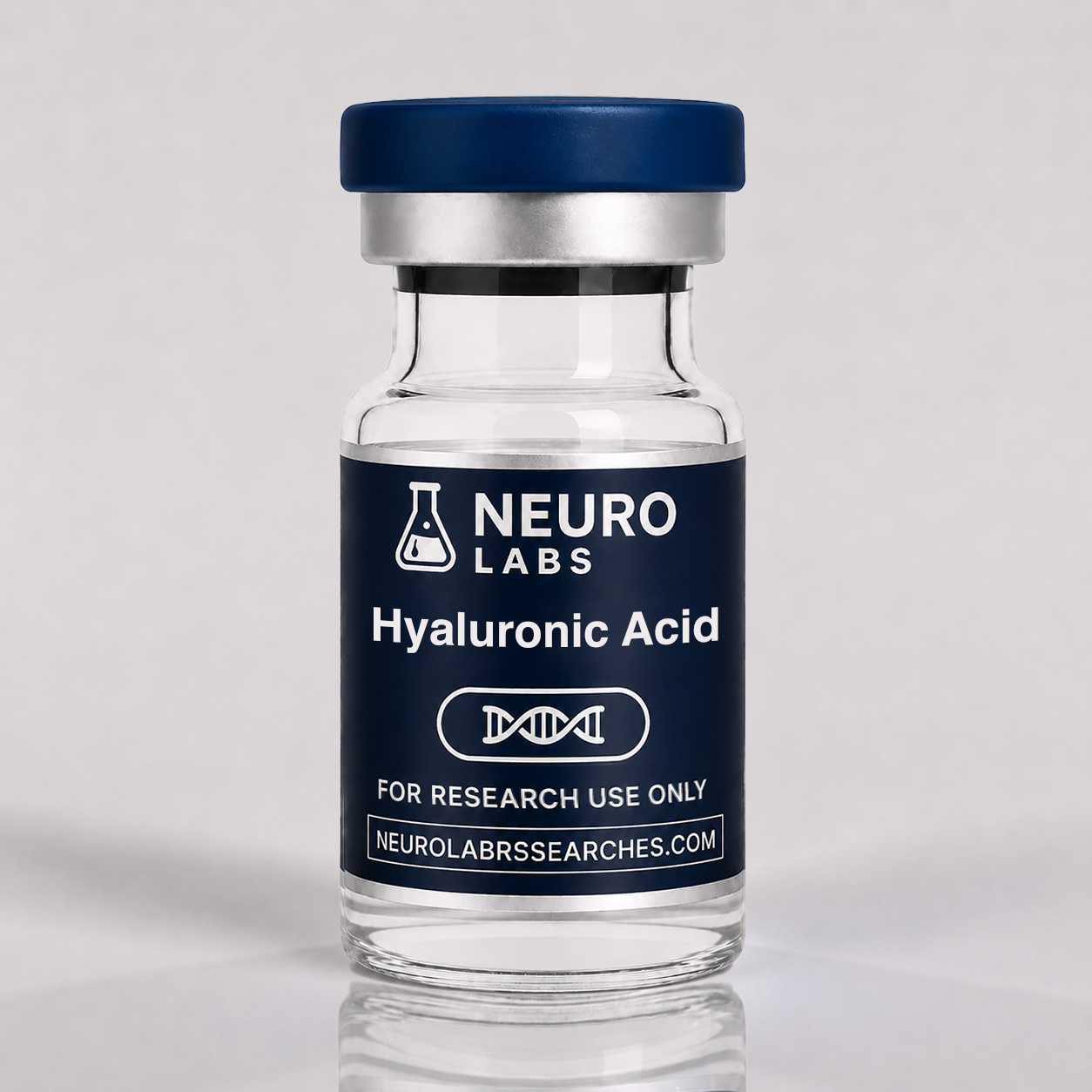
Hyaluronic acid ®

$42.00

Hyaluronic acid ® (HA) is a glycosaminoglycan found in skin, joints, eyes, and connective tissues. It plays a crucial role in maintaining hydration and elasticity. A single gram of HA can hold up to 1,000 times its weight in water, making it one of the most effective humectants in dermatology and medicine. Production naturally declines with age, leading to dryness, wrinkles, and joint stiffness.

Buy Now
Description

Description

Hyaluronic acid ®

Hyaluronic acid ® (HA) is a glycosaminoglycan found in skin, joints, eyes, and connective tissues. It plays a crucial role in maintaining hydration and elasticity. A single gram of HA can hold up to 1,000 times its weight in water, making it one of the most effective humectants in dermatology and medicine. Production naturally declines with age, leading to dryness, wrinkles, and joint stiffness.

Hyaluronic acid ®⚙️ Mechanism Action:

  • Humectant properties: Attracts and retains water molecules.
  • Barrier support: Reduces trans‑epidermal water loss (TEWL).
  • Molecular weights:
    • High molecular weight HA: Forms a protective film on the skin surface.
    • Low molecular weight HA: Penetrates deeper for dermal hydration.
    • Cross‑linked HA: Used in fillers for long‑lasting volume.

Hyaluronic acid ®💊 Dosage & Administration:

Form Dosage/Use Notes
Topical serums Apply twice daily on damp skin Best for hydration and anti‑aging
Oral supplements 120–240 mg/day Studied for joint and skin health
Injectables (fillers) 1–2 mL per session Wrinkles, lips, cheeks
Joint injections 20–40 mg intra‑articular Pain relief in osteoarthritis

🌟 Benefits of Hyaluronic Acid®

Benefit Details
Deep hydration Binds water, plumps skin, reduces dryness
Wrinkle reduction Smooths fine lines via hydration
Joint support Provides cushioning in osteoarthritis
Wound healing Promotes tissue repair, mild anti‑inflammatory
Barrier repair Strengthens lipid barrier against UV, pollution
Hair & scalp health Improves hydration, reduces brittleness

⚠️ Side Effects & Safety

  • Topical use: Generally safe, rare irritation.
  • Oral supplements: Well tolerated, but benefits vary.
  • Injectables: Possible swelling, redness, bruising.
  • Precautions: Avoid if allergic; consult provider before oral or injectable use.

📊 Clinical Trial Data

Study Population Form Outcome Side Effects
Skin Hydration Trial 100 women, 35–60 yrs Topical HA serum 40% increase in hydration after 8 weeks Mild irritation (2%)
Wrinkle Reduction Study 80 women, 40–65 yrs Injectable HA filler 60% reduction in wrinkle depth Swelling, bruising (10%)
Osteoarthritis Trial 200 patients Joint injections 50% pain reduction after 12 weeks Mild swelling (5%)
Oral Supplement Study 150 adults 200 mg/day Improved skin elasticity, reduced dryness No significant adverse effects

🧴 Skincare Routine with Hyaluronic Acid

  1. Cleanse with gentle pH‑balanced cleanser.
  2. Apply HA serum on damp skin.
  3. Seal with moisturizer.
  4. Use sunscreen in the morning.
  5. Combine with retinol or peptides at night.

📈 Market & Product Trends

  • Collagen + HA blends: Popular in supplements.
  • HA serums: Top sellers in skincare.
  • Injectables: Leading choice for non‑surgical cosmetic procedures.
  • Global demand: Rising in Asia, Europe, and North America.

📌 Key Takeaway

Hyaluronic acid® is a versatile molecule essential for hydration, anti‑aging, and joint health. Available in topical, oral, and injectable forms, it is safe, effective, and widely studied. Its ability to plump skin, reduce wrinkles, and support joint lubrication makes it one of the most valuable ingredients in modern health and beauty.

Hyaluronic acid® is more than just a skincare trend — it is a scientifically validated molecule with wide‑ranging applications in dermatology, aesthetics, joint health, and regenerative medicine. Its unmatched ability to retain water makes it the gold standard for hydration, while its versatility across topical, oral, and injectable forms ensures relevance for every age group and health need.

As the global beauty and wellness industries continue to expand, hyaluronic acid remains a cornerstone ingredient, bridging cosmetic innovation and medical therapy. Whether you are seeking smoother skin, improved joint mobility, or enhanced wound healing, HA offers proven benefits backed by decades of research.

❓ Frequently Asked Questions (FAQ)

1. What is Hyaluronic Acid?

A naturally occurring molecule that retains water, found in skin, joints, and eyes.

2. Is Hyaluronic Acid safe?

Yes, it is generally safe in topical, oral, and injectable forms, with rare side effects.

3. Can Hyaluronic Acid reduce wrinkles?

Yes, it plumps skin and smooths fine lines by increasing hydration.

4. What is the best way to use Hyaluronic Acid?

Apply serums on damp skin, seal with moisturizer, and use sunscreen daily.

5. Does Hyaluronic Acid help joints?

Yes, injections are used to relieve osteoarthritis pain and improve mobility.

6. Can Hyaluronic Acid be taken orally?

Yes, supplements (120–240 mg/day) are studied for skin and joint health.

7. What are the side effects?

Mild irritation (topical), swelling/bruising (injectables), rare allergic reactions.

8. Is Hyaluronic Acid good for hair?

Yes, it hydrates the scalp and reduces hair brittleness.

9. Can Hyaluronic Acid be combined with Vitamin C?

Yes, this combination boosts hydration and antioxidant protection.

10. What is the difference between high and low molecular weight HA?

High MW forms a surface barrier; low MW penetrates deeper layers.

11. How long do injectable fillers last?

Typically 6–18 months depending on formulation and treatment area.

12. Can Hyaluronic Acid heal wounds?

Yes, it promotes tissue repair and reduces inflammation.

13. Is Hyaluronic Acid suitable for sensitive skin?

Yes, it is gentle and rarely causes irritation.

14. Does Hyaluronic Acid help acne scars?

It improves hydration and elasticity, making scars less visible.

15. Can Hyaluronic Acid be used daily?

Yes, it is safe for daily use in skincare routines.

16. Is Hyaluronic Acid vegan?

Most modern HA is produced via bacterial fermentation, making it vegan‑friendly.

17. Does Hyaluronic Acid help with sun damage?

It hydrates and repairs the skin barrier, but should be paired with sunscreen.

18. Can Hyaluronic Acid be used with retinol?

Yes, it reduces dryness and irritation often caused by retinol.

19. Is Hyaluronic Acid effective in supplements?

Studies show improved skin elasticity and reduced dryness with oral HA.

20. Where can I buy Hyaluronic Acid products?

Available in pharmacies, cosmetic stores, and online retailers worldwide.

🌍 Final Word

Hyaluronic Acid® is a hydration powerhouse that transcends skincare, offering benefits for joints, wounds, and overall wellness. Its adaptability across multiple delivery forms, combined with strong safety and efficacy data, ensures it will remain a cornerstone of health and beauty for decades to come.